Elevator Modernizations Are Essential for NYC Building Owners

From the construction of the Temple Court Building and Annex in 1883, one of the earliest skyscrapers in New York City at nine stories, to the completion of One World Trade Center in 2014 rising 104 floors, elevators have played a foundational role in the development of the NYC skyline. Elevators have enabled efficient movement of people, equipment, and materials throughout office buildings, residential towers, hospitals, hotels, and industrial facilities for well over a century. As New York City buildings continue to age and evolve, elevator modernization has become a critical investment for building owners seeking to maintain safety, efficiency, and compliance with current building codes.
Early elevator systems were simpler in design and operation compared to today’s advanced vertical transportation technology. Modern elevators now rely on sophisticated microprocessor-based controllers, advanced traction systems, improved braking technology, and enhanced passenger safety features. As building usage increases and regulatory requirements change, older elevator systems may no longer meet performance expectations or safety standards. Elevator modernization allows building owners in NYC to upgrade aging equipment while maintaining the structural integrity of existing buildings.
Signs Elevator Modernization May Be Required in New York City Buildings
There are several indicators that suggest elevator modernization should be considered, particularly in older NYC commercial and residential buildings. These indicators often appear gradually as equipment ages or building occupancy increases:
Safety incidents or warning signs indicating potential hazards
Lack of modern safety features required under updated NYC building codes
Frequent service interruptions, breakdowns, or recurring maintenance issues
Increased complaints from tenants regarding wait times or ride performance
Elevator systems unable to efficiently handle building traffic demands
Difficulty sourcing replacement parts for obsolete equipment components
Tenants choosing not to lease or renew space due to unreliable elevator performance
When elevator equipment becomes outdated, replacement components may only be available as refurbished or discontinued parts, often at a significantly higher cost. In a competitive NYC real estate market, maintaining reliable vertical transportation systems is essential for tenant satisfaction and long-term property value.
Common Elevator Modernization Upgrades
Elevator modernization projects typically focus on replacing or upgrading critical components that directly impact performance, reliability, and passenger safety. Building owners in New York City often modernize the following elevator system components:
Controllers and dispatching systems
Power units and drive systems
Braking equipment and traction machines
Door operators, door safety edges, and reopening devices
Hall fixtures and communication systems
ADA-compliant cab operating panels and signaling devices
Cab interiors, lighting systems, and ventilation improvements
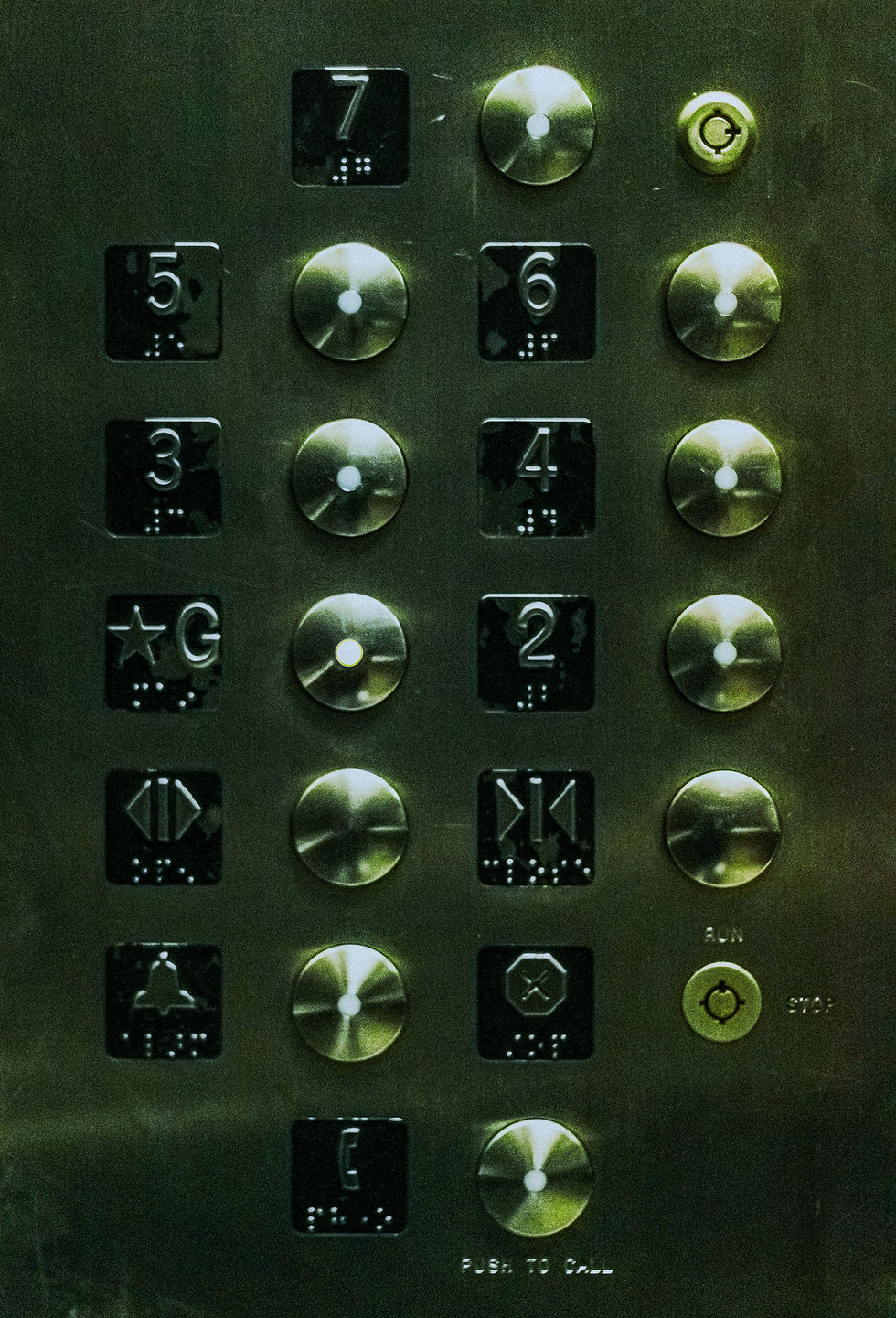
Upgrading these components helps extend the operational life of elevator systems while improving ride quality, leveling accuracy, and energy efficiency. Modernized elevators also allow buildings to meet current ADA accessibility requirements and NYC Department of Buildings compliance standards.
Why Elevator Consultants Are Important for NYC Elevator Modernization Projects
Elevator modernization projects require technical expertise, detailed planning, and coordination between multiple stakeholders. Engaging an experienced elevator consulting firm helps ensure modernization projects are properly evaluated, competitively bid, and completed according to applicable codes and performance specifications.
Elevator consultants provide independent guidance throughout the modernization process, helping building owners understand existing equipment conditions and identify appropriate upgrade solutions. Consultants typically perform system evaluations, traffic analysis studies, design engineering, specification preparation, bid management, and construction administration services.
Because elevator consultants operate independently from elevator contractors, building owners benefit from objective recommendations focused on safety, performance optimization, and cost control. Consultants evaluate all major elevator system components including the machine room, hoistway equipment, overhead structures, elevator pit conditions, and cab assemblies. This comprehensive approach helps ensure modernization projects are aligned with both building usage requirements and long-term asset management strategies.
Vertical Systems Analysis (VSA) – NYC Elevator Modernization Consulting Experts
Vertical Systems Analysis (VSA) is an elevator consulting and engineering firm providing elevator modernization consulting services throughout New York City, Philadelphia, Chicago, and Miami. VSA supports building owners, property managers, developers, and facility operators by delivering professional evaluation and design services for vertical transportation systems including elevators, escalators, moving walkways, and lifts.
VSA’s elevator modernization services begin with a comprehensive visual inspection and assessment of existing equipment conditions. Based on this evaluation, VSA prepares detailed technical specifications outlining recommended upgrades and performance requirements. The firm works closely with building owners to define project scope, identify qualified bidders, and coordinate the bid review process.
During construction, VSA provides project oversight services including drawing review, fixture and cab finish selection support, construction monitoring, and punchlist development. VSA also performs acceptance testing and test witnessing to confirm that modernized elevator systems meet contract requirements and applicable code standards.
Elevator modernization is a strategic investment for NYC building owners seeking to maintain safe, reliable, and efficient vertical transportation systems. Upgrading aging elevator equipment can improve tenant satisfaction, reduce long-term maintenance costs, and support compliance with evolving New York City building regulations.
Working with an experienced elevator consulting firm such as Vertical Systems Analysis helps ensure elevator modernization projects are completed according to specification, within budget, and aligned with the operational needs of the building. Proper modernization planning allows building owners to extend equipment lifespan while maintaining safe and efficient building operations in the demanding New York City environment.


Comments